Effective treatments with guaranteed relief

Yellow Jackets

While some garden pests threaten your landscaping, yellow jackets pose a significant threat to your safety. These aggressive, stinging insects are far more than just a backyard nuisance; they are highly territorial wasps capable of delivering painful, repeated stings that can trigger severe allergic reactions. At Canadian Pest Solutions, we provide comprehensive yellow jacket management strategies to help you reclaim your yard and protect your family.

uc_stacked_images_elementor_55656608_item1 uc_stacked_images_elementor_55656608_item2 uc_stacked_images_elementor_55656608_item3 uc_stacked_images_elementor_55656608_item4

119 Google reviews

Book An Inspection

20+ Years Experience

Quick Response

100-Day Warranty

Licensed and Insured

What Are Yellow Jackets?

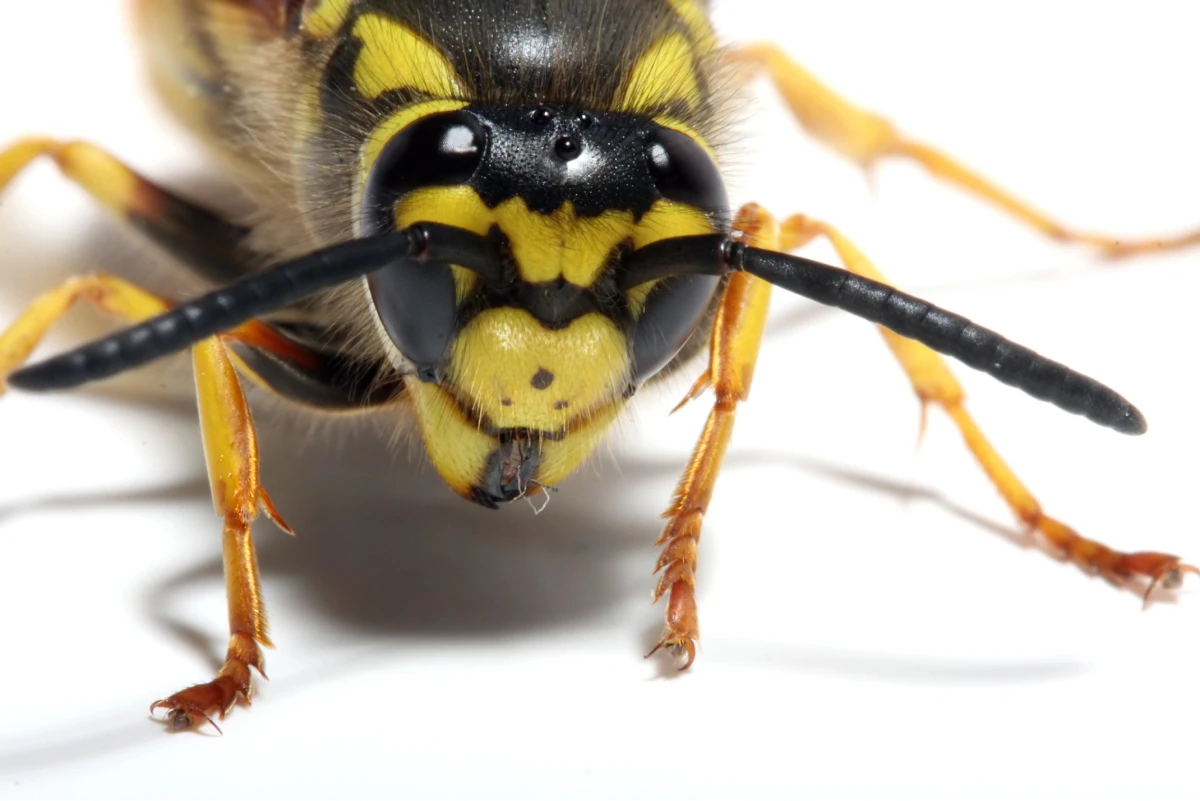
Yellow jackets are a specific type of predatory wasp easily mistaken for honeybees due to their coloring, but they possess distinct physical and behavioral differences.

  • Appearance: They feature a sleek, shiny, black-and-yellow-patterned body. Unlike fuzzy honeybees, yellow jackets have smooth, hairless bodies and a distinctly narrow “wasp waist.”
  • Behavior: They are notoriously aggressive. Unlike bees, which typically only sting once, a yellow jacket’s stinger is lance-like and barbless, allowing a single insect to sting a target multiple times.
  • Diet: While they consume nectar, yellow jackets are also scavengers and predators. They actively hunt for protein (insects, meat) and sugar (soda, fruit), making them frequent, uninvited guests at backyard barbecues.

The Danger: Why Yellow Jacket Control Matters

Unlike beneficial pollinators that keep to themselves, yellow jackets present a genuine health hazard to humans and domestic animals.

  • Anaphylactic Shock: For individuals with wasp venom allergies, a single sting can cause a life-threatening systemic reaction requiring immediate medical attention.
  • Mass Attacks: Because they nest in large colonies, disturbing a nest can trigger a coordinated swarm response. Yellow jackets release a chemical alarm pheromone that signals the entire colony to attack.
  • Late-Summer Aggression: As autumn approaches, the colony’s food sources dwindle, causing yellow jackets to become highly aggressive and erratic in their search for nutrition.

Signs of Yellow Jacket Activity on Your Property

Spotting a solitary wasp is common, but an active infestation on your property usually leaves very specific clues.

Common Indicators:

  • Heavy Ground Traffic: Seeing a steady stream of wasps flying in and out of a specific hole in the lawn or garden bed is a surefire sign of a subterranean nest.
  • Structural Entry Points: Watch for yellow jackets disappearing behind siding, into soffits, or under roof shingles, which indicates they have colonized a wall void or attic.
  • Visible Paper Nests: Aerial nests look like gray, paper-like globes and can often be found hanging from tree branches, porch ceilings, or playground equipment. Learn more about us!

How Yellow Jackets Infest Your Space

Every spring, a single fertilized queen emerges from winter hibernation to seek out a prime location to build a new colony from scratch.

  • Subterranean Seeking: Yellow jackets love convenience. They frequently take over abandoned rodent burrows, hollow logs, or compost piles.
  • Structural Cavities: If a house has unsealed gaps, queens will readily enter wall voids, crawlspaces, or attics to build sheltered nests.
Yellow Jackets

How Yellow Jackets Infest Your Space

Every spring, a single fertilized queen emerges from winter hibernation to seek out a prime location to build a new colony from scratch.

  • Subterranean Seeking: Yellow jackets love convenience. They frequently take over abandoned rodent burrows, hollow logs, or compost piles.
  • Structural Cavities: If a house has unsealed gaps, queens will readily enter wall voids, crawlspaces, or attics to build sheltered nests.

The Life Cycle:

Yellow jacket colonies are annual and grow exponentially over the course of a few months.

  • Spring: The queen builds a small nest and raises the first generation of sterile female workers.
  • Summer: The worker population explodes, expanding the nest and foraging aggressively to feed the growing colony. A single nest can house thousands of wasps by July.
  • Fall: The colony produces new queens and fertile males. The old colony dies off with the first hard frost, while the new queens find hidden places to hibernate until next spring.

How to Get Rid of Yellow Jackets

Attempting to eradicate a yellow jacket nest on your own using hardware-store sprays is highly dangerous and frequently results in severe stinging incidents. Canadian Pest Solutions uses a targeted, professional approach to eliminate the threat safely.

  • Our Professional Treatment:
    • Direct Nest Injections: For underground or wall-void nests, we utilize specialized aerosol or dust formulations injected directly into the entry point to eliminate the colony instantly.
    • Structural Residual Sprays: We apply targeted treatments to common nesting surfaces to deter queens from establishing colonies on your home.
    • Safe Removal: Once the colony is neutralized, our team safely removes the physical nesting material whenever accessible to prevent secondary pest issues.

Preventing Yellow Jackets

You can make your property far less attractive to foraging yellow jackets by managing food sources and entry points:

  • Secure the Trash: Keep all outdoor garbage cans tightly sealed with locking lids. Clean the bins regularly to remove sugary or meaty residues.
  • Cover Food Outdoors: Keep food and sweet beverages covered during outdoor gatherings, and clean up spills immediately.
  • Seal Your Home: Inspect your home’s exterior in early spring. Use caulk and mesh to seal gaps around utilities, soffits, and window frames.
  • Fill Ground Holes: Fill in old rodent burrows and collapse empty dirt cavities in your yard to eliminate prime underground real estate.

When to Call the Professionals

If you notice a high volume of yellow jackets around your home or locate a nest near high-traffic areas like doorways, patios, or playgrounds, do not attempt a DIY fix. A single misstep can lead to an emergency room visit. Canadian Pest Solutions has the protective gear, specialized equipment, and expertise to neutralize the threat quickly and safely. Protect your family’s safety. Contact us today to schedule a professional yellow jacket removal service.

maple (1)

Client testimonials

What our clients say

Pest We Control

bed bugs

Bed Bugs

boxelder bugs

Box Elder Bugs

carpenter ants

Carpenter Ants

carpenter bees

Carpenter Bees

carpet beetle

Carpet Beetle

centipede

Centipedes

cockroach

Cockroaches

earwigs

Earwigs

cat fleas

Fleas

bald faced hornets

Hornets

japanese beetle

Japanese Beetle

mice

Mice

mosquitos

Mosquitoes

moth

Moths

mud daubers

Mud Daubers

pavement ants

Pavement Ants

pharaoh ants

Pharaoh Ants

roof rats

Rats

silverfish

Silverfish

spiders

Spiders

ticks

Ticks

wasps

Wasps

yellow jackets

Yellow Jackets

Frequently Asked Questions

1. How can I tell a yellow jacket from a honeybee?

Yellow jackets have smooth, shiny, hairless bodies and a narrow waist, whereas honeybees are fuzzy. Behaviorally, yellow jackets are aggressive scavengers (attracted to meat and sugar) and can sting repeatedly; honeybees stick to flowers and sting only once.

As autumn approaches, the colony’s natural food sources dwindle. This shortage makes the wasps desperate, erratic, and highly aggressive as they scavenge for food.

They nest in three main areas: underground (in old rodent holes or compost), inside structural cavities (wall voids, attics, soffits), or aerially (hanging gray paper globes from trees or porches).

No, DIY removal is highly dangerous. Disturbing a nest triggers an alarm pheromone that causes thousands of wasps to launch a coordinated swarm attack, which can lead to severe injuries.

Secure outdoor trash cans, cover food and drinks during outdoor gatherings, seal exterior home gaps with caulk or mesh in early spring, and fill in empty rodent burrows around your lawn.