Effective treatments with guaranteed relief

Silverfish

Silverfish are ancient, nocturnal pests known for their destructive feeding habits and eerie, fluid movements. While they don’t bite or spread diseases like mosquitoes or roaches, they are notorious for ruining prized possessions, including books, photographs, and vintage clothing. At our company, we specialize in managing these elusive invaders. Our licensed exterminators use advanced integrated pest management (IPM) techniques to identify, treat, and eliminate infestations, protecting your home’s history and hygiene.

uc_stacked_images_elementor_55656608_item1 uc_stacked_images_elementor_55656608_item2 uc_stacked_images_elementor_55656608_item3 uc_stacked_images_elementor_55656608_item4

119 Google reviews

Book An Inspection

20+ Years Experience

Quick Response

100-Day Warranty

Licensed and Insured

What Are Silverfish?

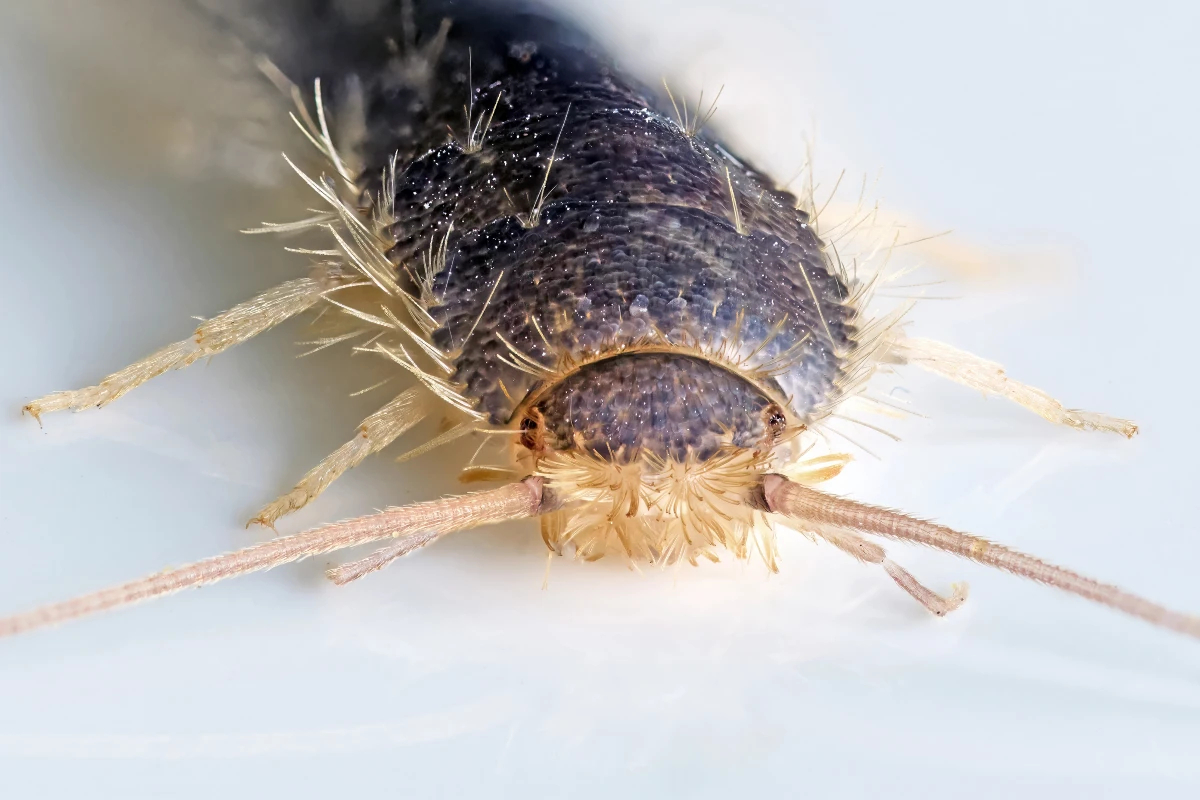
Silverfish (Lepisma saccharinum) are small, wingless insects characterized by their silvery-blue scales and carrot-shaped bodies. Measuring approximately 12mm to 19mm in length, they are easily identified by three long, tail-like appendages at the rear and a pair of long antennae.

These pests are moisture-loving “thysanurans” that thrive in high-humidity environments. They are incredibly hardy, capable of living for weeks without food or water, and can live up to eight years. Because they are nocturnal and move with lightning speed, many homeowners don’t realize they have an infestation until significant damage has already been done to their belongings.

Signs of Silverfish Activity on Your Property

Because silverfish hide in dark, damp crevices during the day, you are more likely to see the evidence they leave behind than the insects themselves. Watch for these signs:

Common Symptoms of Silverfish Infestation:

  • Irregular Feeding Marks: Look for small holes, “etched” surfaces on paper, or notched edges on wallpaper and cardboard boxes.
  • Yellow Staining: As they feed and molt, silverfish often leave faint, yellowish stains on fabrics (especially linen, silk, and cotton) or book pages.
  • Pepper-like Droppings: Their excrement is tiny, black, and granular, often resembling small specks of black pepper left in the back of cabinets or closets.
  • Cast Skins: As they grow, silverfish molt their metallic skins. Finding these translucent, delicate casings in drawers or basements is a definitive sign of an active population.
Silverfishes Control

How Silverfish Spread and Infest Your Space

Silverfish are “hitchhiker” pests. They typically enter buildings hidden inside cardboard boxes, shipping containers, or even piles of lumber. Once inside, they seek out microclimates with humidity levels above 75%. Learn more about us!

They use wall voids and insulation as “highways” to navigate your home, often congregating in:

  • Attics: Where they feed on roof Shingles and glue.
  • Basements & Crawl Spaces: Due to natural dampness.
  • Kitchens & Bathrooms: Where they seek out moisture and starches.

Life Cycle:

At Canadian Pest Solutions, our licensed exterminators target the silverfish life cycle to ensure long-term control:

  • Eggs: Females hide small clusters of eggs in tiny cracks, making them nearly impossible to find without professional equipment.
  • Nymphs: Silverfish do not go through a larval stage. Nymphs look like miniature versions of adults, and they begin feeding immediately.
  • Adults: Unlike most insects, silverfish continue to molt throughout their entire adult life, allowing them to regrow lost appendages and remain active for several years.

How to Get Rid of Silverfish

Eradicating silverfish requires more than just a surface spray. Because they hide deep within the structure of your home, Canadian Pest Solutions uses a multi-faceted approach.

Treat Your Home and Building:

  • Precision Dusting: We apply specialized insecticidal dusts into wall voids and behind electrical outlets where silverfish hide and breed.
  • Residual Barriers: Our team applies targeted treatments to baseboards and entry points to intercept silverfish as they forage at night.
  • Professional Dehumidification Advice: Since silverfish cannot survive in dry environments, we help you identify the moisture “hot zones” that are keeping the colony alive.

Maintain Your Property:

  • Dehumidify: Use a dehumidifier in basements and attics to keep humidity levels below 50%.
  • Storage Solutions: Move books and clothing out of cardboard boxes and into airtight plastic bins.
  • Scrap the Scraps: Clean up spilled flour, cereals, and pet food immediately, as these are primary silverfish food sources.

Preventing Silverfish

An ounce of prevention is worth a pound of cure, especially with pests that eat your memories. We recommend these steps:

  • Ventilation: Ensure bathrooms and kitchens are properly vented to the outside to reduce steam buildup.
  • Seal the Exterior: Use caulk to seal gaps in window frames and door sweeps to prevent them from crawling in from mulch or leaf litter.
  • Clear the Perimeter: Keep dead leaves and damp debris away from your home’s foundation.

When to Call the Professionals

If you find holes in your favorite clothes, damage to your library, or see “silver streaks” darting across your bathroom floor at night, it’s time to take action. Silverfish populations grow slowly but steadily, and by the time you see one, dozens more are likely hidden in the walls. With over 20 years of experience, Canadian Pest Solutions offers the expertise needed to protect your property. Contact us today to schedule a consultation and preserve your home.

maple (1)

Client testimonials

What our clients say

Pest We Control

bed bugs

Bed Bugs

boxelder bugs

Box Elder Bugs

carpenter ants

Carpenter Ants

carpenter bees

Carpenter Bees

carpet beetle

Carpet Beetle

centipede

Centipedes

cockroach

Cockroaches

earwigs

Earwigs

cat fleas

Fleas

bald faced hornets

Hornets

japanese beetle

Japanese Beetle

mice

Mice

mosquitos

Mosquitoes

moth

Moths

mud daubers

Mud Daubers

pavement ants

Pavement Ants

pharaoh ants

Pharaoh Ants

roof rats

Rats

silverfish

Silverfish

spiders

Spiders

ticks

Ticks

wasps

Wasps

yellow jackets

Yellow Jackets