Effective treatments with guaranteed relief

Spider

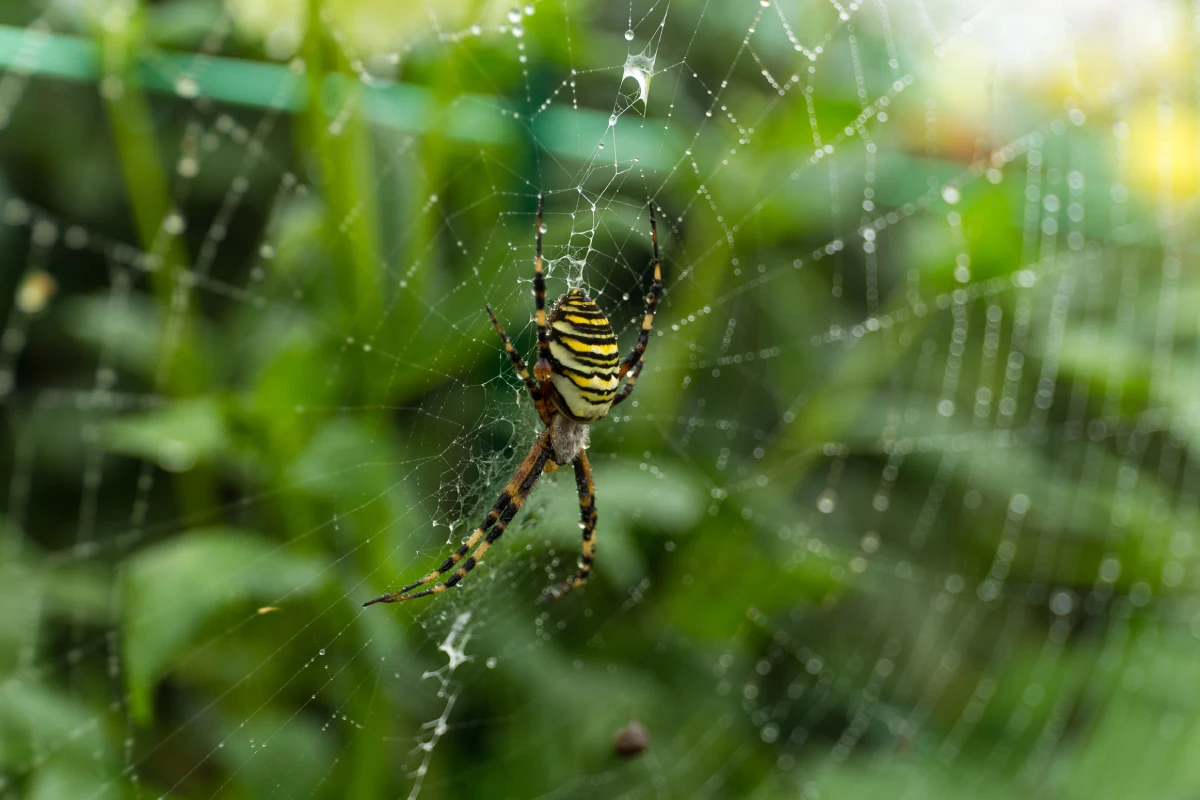
Spiders are some of the most common and feared household pests. While most spiders found in our area are harmless “nuisance” pests that help control other insects, their webs, rapid breeding, and the potential for bites from venomous species can make them a major concern for homeowners. At our company, we specialize in comprehensive spider management. Our licensed exterminators use a combination of removal, exclusion, and targeted treatments to keep your home spider-free and your mind at ease.

uc_stacked_images_elementor_55656608_item1 uc_stacked_images_elementor_55656608_item2 uc_stacked_images_elementor_55656608_item3 uc_stacked_images_elementor_55656608_item4

119 Google reviews

Book An Inspection

20+ Years Experience

Quick Response

100-Day Warranty

Licensed and Insured

What Are Spiders?

Spiders are arachnids, not insects. They are characterized by having eight legs, two body segments, and the ability to produce silk. Unlike insects, they do not have antennae or wings. In our region, common invaders include House Spiders, Cellar Spiders (often called “Daddy Long Legs”), Wolf Spiders, and the more reclusive Yellow Sac Spiders.

Spiders are predators that enter homes in search of food (other insects) and shelter. They are highly adaptable and can survive in almost any climate, but they prefer dark, undisturbed areas where they can build webs or hunt in peace. While most species are beneficial to the ecosystem, an indoor infestation can quickly become overwhelming.

Signs of Spider Activity on Your Property

Spiders are masters of camouflage, but they leave behind clear indicators of their presence. Early detection helps prevent a few individual spiders from turning into a widespread infestation.

Common Symptoms of Spider Infestation:

  • Webs: The most obvious sign. Look for “cobwebs” in high corners, ceiling junctions, and around windows. Fresh, sticky webs indicate active spiders, while dusty webs may be abandoned.
  • Egg Sacs: Spiders lay hundreds of eggs in small, silken, ball-like sacs. These are often attached to webs or hidden in dark corners and crevices.
  • Presence of Other Pests: Since spiders go where the food is, a high number of flies, moths, or ants in your home is often a precursor to a spider problem.
  • Sightings in Damp or Dark Areas: Check basements, crawl spaces, attics, and under sinks. Wolf spiders, for example, do not build webs but can be seen scurrying across floors at night.
Spider

How Spiders Spread and Infest Your Space

Spiders don’t “infest” in the traditional sense like ants; rather, they migrate into your home through tiny openings. They are attracted to warmth during the colder months and moisture during the summer. Learn more about us!

They often enter through:

  • Gaps in Screens: Small tears in window or door screens.
  • Unsealed Utility Lines: Space around pipes and wires entering the home.
  • Hitchhiking: Being carried in on firewood, outdoor furniture, or storage boxes brought down from the attic.

Life Cycle:

At Canadian Pest Solutions, our licensed exterminators understand spider biology to effectively disrupt their presence:

  • Eggs: A single egg sac can contain hundreds of potential spiders. We focus on finding and removing these before they hatch.
  • Spiderlings: Once hatched, tiny “spiderlings” often disperse through a process called “ballooning,” using silk threads to catch the wind and travel to new areas of your home.
  • Adults: Mature spiders focus on hunting and mating. Our treatments target adult movement patterns to reduce the population instantly.

How to Get Rid of Spiders

Effective spider control is about more than just a spray bottle; it requires a “top-to-bottom” approach to remove existing spiders and prevent new ones from moving in.

Treat Your Home and Building:

  • Professional Web De-webbing: We manually remove webs and egg sacs from the interior and exterior of your home, instantly reducing the “visual” signs of infestation.
  • Residual Perimeter Treatments: Our team applies a professional-grade barrier around the foundation, windows, and eaves to stop spiders before they get inside.
  • Targeted Crack and Crevice Treatment: We use specialized tools to reach spiders hiding deep within wall voids and structural gaps.

Maintain Your Property:

  • Reduce Lighting: Spiders aren’t attracted to light, but their food is. Switching to yellow “bug bulbs” for outdoor lighting can reduce the number of insects that draw spiders to your doors.
  • Clutter Management: Spiders love hiding in cardboard boxes and piles of clutter. Switching to plastic bins helps eliminate their hiding spots.
  • Vacuum Regularly: Vacuuming baseboards and corners effectively removes spiders, their webs, and their egg sacs.

Preventing Spiders

The best way to handle spiders is to make your home an unattractive place for them to live. We recommend these preventive measures:

  • Seal Entry Points: Use weatherstripping on doors and caulk around windows to close off “spider highways.”
  • Landscape Maintenance: Keep shrubs and trees trimmed at least one foot away from your home’s exterior walls.
  • Moisture Control: Use a dehumidifier in damp basements to discourage the insects that spiders prey upon.

When to Call the Professionals

If you are dealing with a persistent spider problem, finding numerous egg sacs, or are concerned about potentially venomous species, it’s time to call the experts. With over 20 years of experience, Canadian Pest Solutions provides the specialized equipment and knowledge to handle any spider situation safely. Contact us today to schedule a consultation and take back your home.

maple (1)

Client testimonials

What our clients say

Pest We Control

bed bugs

Bed Bugs

boxelder bugs

Box Elder Bugs

carpenter ants

Carpenter Ants

carpenter bees

Carpenter Bees

carpet beetle

Carpet Beetle

centipede

Centipedes

cockroach

Cockroaches

earwigs

Earwigs

cat fleas

Fleas

bald faced hornets

Hornets

japanese beetle

Japanese Beetle

mice

Mice

mosquitos

Mosquitoes

moth

Moths

mud daubers

Mud Daubers

pavement ants

Pavement Ants

pharaoh ants

Pharaoh Ants

roof rats

Rats

silverfish

Silverfish

spiders

Spiders

ticks

Ticks

wasps

Wasps

yellow jackets

Yellow Jackets