
Detecting moths early is critical to preventing widespread damage. Here are some common signs of a moth infestation:
Effective treatments with guaranteed relief
Moths
Moths may seem harmless, but they can quickly become a serious pest problem for your home. From damaging clothing and fabrics to infesting stored food, these pests can disrupt your daily life and cause costly damage. Understanding how to identify, manage, and prevent moth infestations is crucial for protecting your home and belongings. In this guide, we will discuss how licensed exterminators from Canadian Pest Solutions handle moth control safely and effectively using targeted treatment programs.


119 Google reviews
Book An Inspection
20+ Years Experience
Quick Response
100-Day Warranty
Licensed and Insured
What Are Moths?
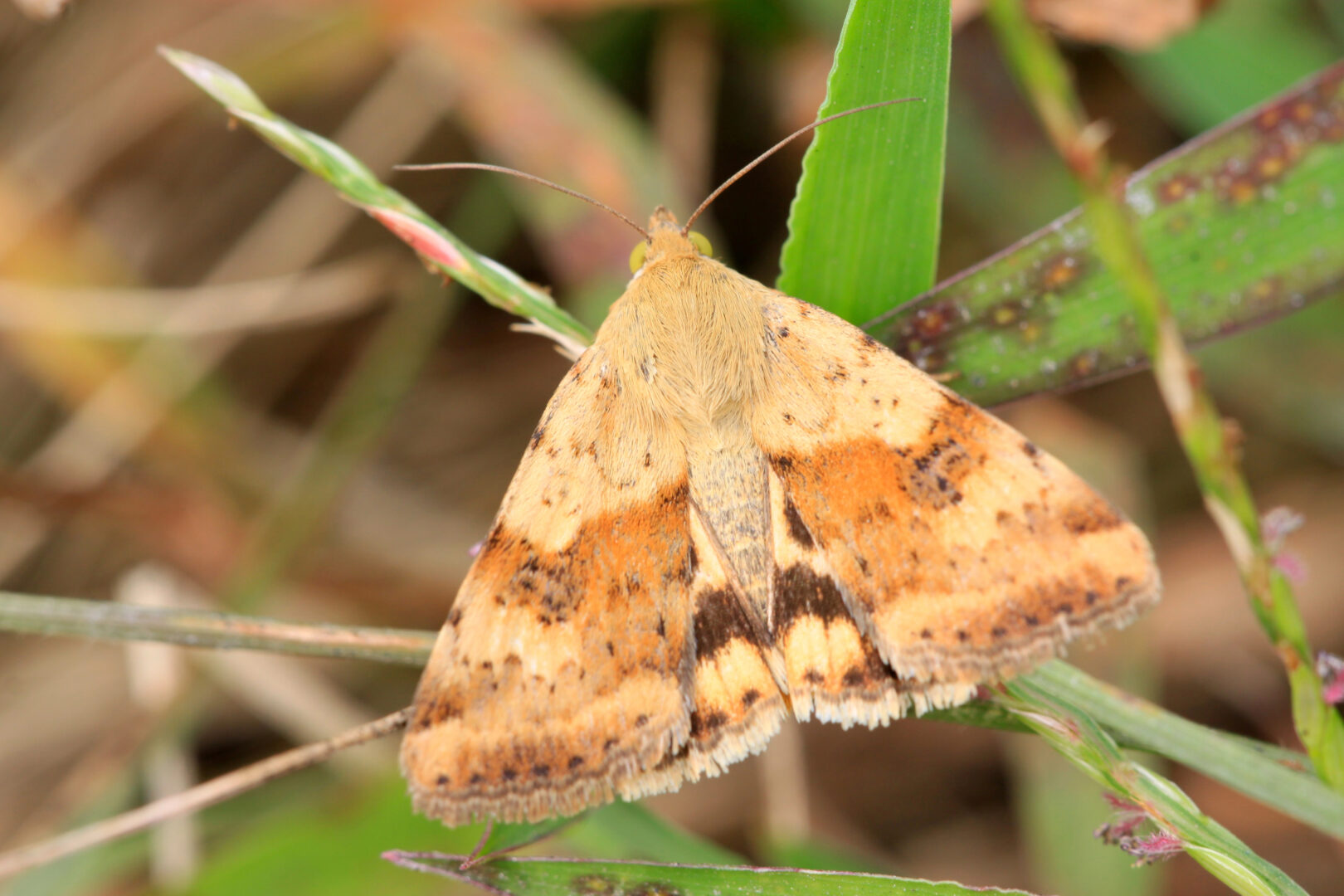
Moths are small, flying insects closely related to butterflies. While many species are harmless, some can become serious pests in your home.
Clothes Moths
Clothes moths feed on natural fibers such as wool, silk, and cashmere, leaving holes in clothing, blankets, and other fabrics.
Pantry Moths
Pantry moths infest stored grains, cereals, nuts, and dried foods, contaminating your pantry and food supply.
Signs of Moths in Your Home
Common Symptoms of Moth Infestation:
- Holes in Fabrics: Clothes, blankets, or other natural fiber items may have small holes, a sign of clothes moth activity.
- Webbing in Pantry Items: Pantry moths leave silky webs in flour, grains, or other stored foods.
- Larvae or Cocoons: Small caterpillar-like larvae or silken cocoons may be found in closets, drawers, or pantry corners.
- Adult Moths Flying Indoors: Seeing small flying inside your home, especially near closets or food storage areas, is a key indicator of an infestation.
How Moths Spread and Infest Your Home
Moths can reproduce rapidly if left unchecked. Adult female lay eggs on food, fabrics, or other suitable surfaces. These eggs hatch into larvae, which feed on natural fibers or stored food, growing into adults within weeks.
Moths can also be introduced into your home via secondhand clothing, packaged foods, or infested storage items, making it essential to combine prevention with professional treatment.
Life Cycle:
Understanding the moth life cycle is key to controlling infestations:
- Eggs: Female moths lay eggs on clothing, fabrics, or food sources.
- Larvae: Eggs hatch into larvae, which feed on fibers or pantry items.
- Pupae: Larvae spin cocoons and enter the pupal stage.
- Adults: Adult moths emerge to reproduce, continuing the cycle.
How to Get Rid of Moths
Eliminating moths requires a targeted approach that addresses both adults and larvae. Canadian Pest Solutions’ licensed exterminators provide treatment programs designed for safe, effective moth control.
Treat Your Home:
Apply Treatment: Licensed exterminators apply treatment to affected areas, including closets, drawers, and pantry corners, using green and safe pesticides.
Vacuuming and Cleaning: Thorough cleaning of fabrics, shelves, and storage areas removes eggs and larvae, enhancing the effectiveness of treatments.
Sealing and Storage: Clothes and pantry items are stored in airtight containers to prevent re-infestation.
Prevention Measures:
Regular Inspections: Licensed exterminators recommend routine inspections of closets, storage areas, and pantry items to catch moths early.
Maintain Clean Storage Areas: Keeping closets and pantries clean and dry makes them less attractive to moths.
Use Preventive Treatments: Canadian Pest Solutions’ treatment programs include preventative measures to protect against future infestations. Learn more about us!
Preventing Mosquitoes
Prevention is always the most effective strategy. Licensed exterminators recommend consistent yard care, routine inspections, and professional treatment programs to reduce mosquito risks year-round.
Eliminate Standing Water:
Regularly remove or treat water sources where mosquitoes may lay eggs.
Plant Repellent Species:
Incorporate citronella, lavender, or marigolds around patios and play areas to deter mosquitoes naturally.
Monitor and Protect Yourself:
Wear protective clothing and use safe repellents, particularly during peak mosquito activity.
Canadian Pest Solutions’ Whole Home Program for Moths
The Whole Home Program by Canadian Pest Solutions provides comprehensive protection against moths and other pests. Licensed exterminators begin with a detailed inspection to identify potential problem areas, then apply treatment to control existing infestations.
The program includes scheduled visits throughout the year, ensuring your home remains moth-free. Additional benefits include free service calls if pests return, a 1-year warranty on treatments, and the option to add seasonal programs for other pests like mosquitoes, spiders, and ants. This approach allows you to enjoy peace of mind knowing your home and belongings are fully protected.
When to Call the Professionals
If you notice signs of moths in your home, professional intervention is the safest and most effective solution. Licensed exterminators from Canadian Pest Solutions develop customized treatment programs for both residential and commercial properties, ensuring that other pests are eliminated and prevented from returning.
With over 20 years of experience, Canadian Pest Solutions provides inspections, treatment programs, and preventative strategies backed by a satisfaction guarantee. Contact us today to schedule a consultation and protect your home from moths and other persistent pests.

Client testimonials
What our clients say
We used Canadian Pest Solutions for spiders at the end of the summer and were very pleased with the results after just one spray. The technician was knowledgable, professional & polite. We plan on becoming part of their Spider Spray Prgram next year. We like that the company is locally owned and environmentally conscious.
Judy Wyllie
I recently used Canadian Pest Solutions for pest control inside and outside of our home. I was very pleased with their service. The technicians were punctual, professional, and thorough in addressing our pest issues. The follow-up visit ensured the treatment worked well. I highly recommend Canadian Pest Solutions for anyone needing reliable pest control.
Mandie G
Happy with the response time of this company. I called yesterday because I had a massive hornets nest by my sliding door . I am highly allergic so this was not an ideal situation. I called and the lady I spoke to Sent someone out right away. They are reasonably priced and the worker ( I forgot his name) was efficient in taking it down , thanks again for all your help
Robin C
I have been working with this company the past 3 years for my rental properties. I have been happy with the results and the professionalism of the technicians . I always receive detailed reports each visit and they have eliminated every pest problem I have . I recommend them to other property managers and I will continue to use them . Thanks guys !
Dbrow’s fabulous Adventures
This company is amazing. I spoke to them over the phone about my concerns. They told me step by step the process of the whole home program. The technician came out and was very polite, professional and knowledgeable. I would definitely recommend this company to anyone who has pest Control problems
Trucker
Your service man Shane, was well educated and informed. He took the time to explain what he was doing and the expected results.
He was very polite and willing to answer any of my questions. I would Highly recommend this company.
Bluesplayer1956
Great experience. Loved that the bait isn't easily visible or accessible since we've got little kids and definitely don't want that being something they get into. Had a two-week follow up where the bait was checked and looks like the mouse problem is gone.
Anum Ali
I have been using Canadian Pest Solutions for a few years now. They are friendly, curtious and professional! The product they use has made a huge difference in the control of spiders. I would highly recommend this Company. Thanks Shayne for being so professional and caring!
Andrea Johnston
Pest We Control

Bed Bugs

Box Elder Bugs

Carpenter Ants

Carpenter Bees

Carpet Beetle

Centipedes

Cockroaches

Earwigs

Fleas

Hornets

Japanese Beetle

Mice

Mosquitoes

Moths

Mud Daubers

Pavement Ants

Pharaoh Ants

Rats

Silverfish

Spiders

Ticks

Wasps

Yellow Jackets
Frequently Asked Questions
What are the signs of a moth infestation in my home?
An infestation can be identified by small holes in clothing, fabrics, or stored food products. Additionally, you might notice larvae or casings in infested areas. If you notice any of these signs, it’s time to call a professional service.
How do you treat moth infestations?
We begin by conducting a thorough inspection to determine the extent of the infestation. We then apply targeted treatments designed to eliminate adult ones and larvae. Our Whole Home Program ensures ongoing protection with regular visits to prevent re-infestation.
Are your moth control treatments safe for my family and pets?
Yes, our treatments are safe for both your family and pets. We use eco-friendly, non-toxic methods to target the invaders while minimizing risks to your home and loved ones.
How can I prevent moths from coming back?
To prevent them, it’s essential to store food in sealed containers, clean regularly, and avoid leaving clothes or fabrics exposed for extended periods. Our Whole Home Program offers comprehensive treatments and routine inspections, helping keep your home free year-round.
How do I know when it's time to call a professional for moth control?
If you notice signs of damage, such as holes in clothing or fabric, or see adult or larvae around your home, it’s time to call a professional service. Our company offers a comprehensive inspection and a customized treatment plan to effectively address any infestation.