
Canadian Pest Solutions uses an Integrated Pest Management (IPM) approach to ensure the wasps are gone and stay gone.
Effective treatments with guaranteed relief
Wasps
While wasps play a vital role in our ecosystem by controlling other insect populations, they become a significant threat when they build nests in or around your home. Unlike honeybees, wasps can be highly aggressive and are capable of stinging multiple times without losing their stinger. For those with allergies, a single encounter can be life-threatening.


119 Google reviews
Book An Inspection
20+ Years Experience
Quick Response
100-Day Warranty
Licensed and Insured
Understanding Wasp Species
Not all stinging insects are the same. Identifying the species is the first step in determining the level of risk and the best method of removal.
- Yellowjackets: Highly aggressive and easily provoked. They often build nests underground or in wall voids. They are notorious for “crashing” summer BBQs in search of sugary drinks and proteins.
- Paper Wasps: Known for their umbrella-shaped nests made of a papery pulp. They are generally less aggressive than yellowjackets but will defend their nests vigorously if disturbed.
- Hornets: The largest of the social wasps. Their nests are usually aerial, resembling large, grey footballs hanging from trees or eaves. Their stings are particularly painful due to the amount of venom injected.
- Mud Daubers: Solitary wasps that build small tubes out of mud. They are rarely aggressive and are often considered beneficial as they hunt spiders, but their nests can be an eyesore.
Signs of a Wasp Infestation
If you suspect you have a nest nearby, look for these key indicators:
- High Volume of Activity: Consistently seeing wasps flying in a straight line toward a specific spot (like a hole in a wall or a branch) usually indicates a nest entrance.
- Visible Structures: Finding “paper” nests under eaves, behind shutters, or hanging from sturdy branches.
- Chewed Wood: Some wasps scrape wood from fences and decks to create their nesting material, leaving visible tracks or thinning patches on wooden surfaces.
- Buzzing Sounds: A faint, constant humming or buzzing coming from within walls or attic spaces.
The Risks of DIY Removal
Attempting to knock down a nest with a broom or spray it with a garden hose is a recipe for disaster.
- Warning: When a wasp is threatened or crushed, it releases a distress pheromone that signals the rest of the colony to attack. This can result in hundreds of stings within seconds.
Professional intervention is essential because:
- Protective Gear: Our team uses specialized suits that prevent stings.
- Specialized Equipment: We use long-reach tools and pressurized dust to reach nests high in the air or deep inside walls.
- Timing: We understand wasp behavior and often perform treatments during dusk or dawn when the colony is most dormant and contained. Learn more about us!
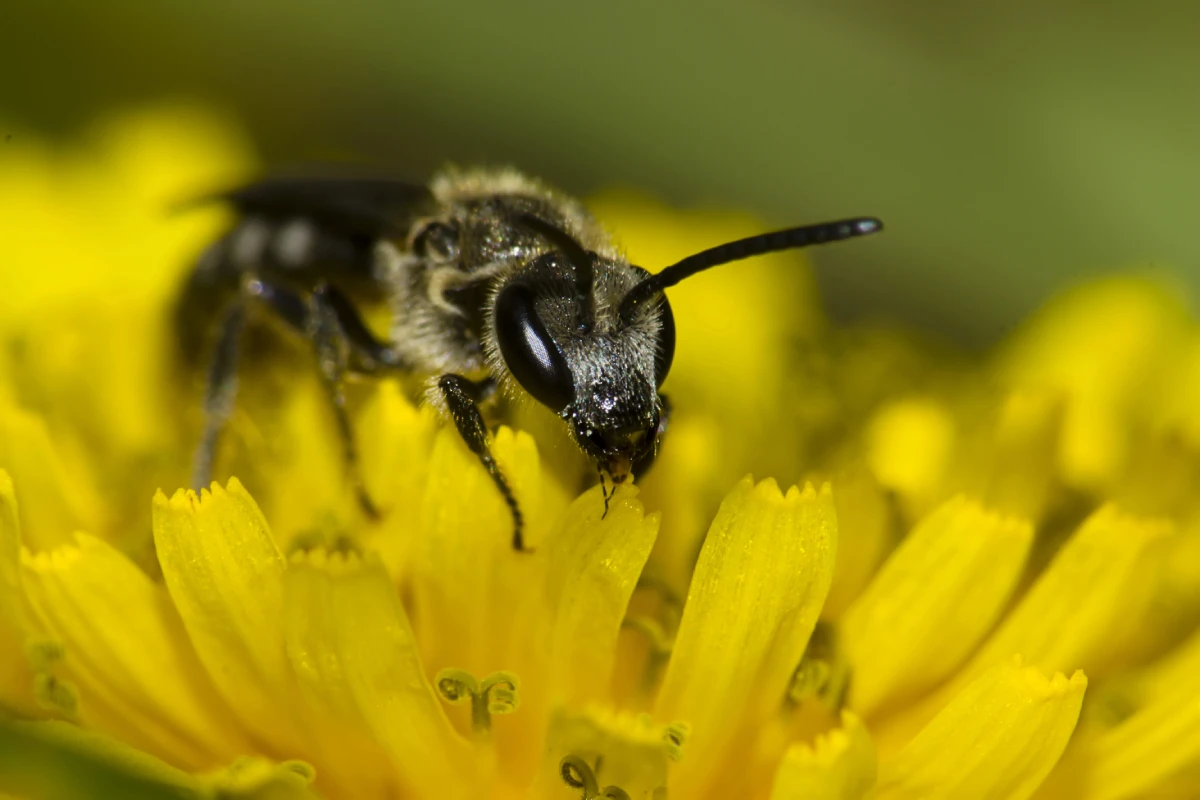
Our Wasp Management Process
Inspection & Identification
We locate the nest and identify the species to determine the most effective treatment plan.
Targeted Treatment
We apply professional-grade aerosols or insecticidal dusts directly into the nest entrance. This ensures the entire colony, including the queen, is eliminated.
Nest Removal
Once the colony is neutralized, we safely remove the physical nest (where accessible) to prevent other pests from using the carcass as a food source.
Preventive Proofing
We identify potential entry points in your home’s exterior and provide recommendations on sealing gaps to prevent future queens from overwintering in your walls.
When to Call the Professionals
If you’ve spotted a nest or noticed an influx of wasps around your property, don’t put your family at risk. With over 20 years of experience, Canadian Pest Solutions has the tools and expertise to clear your space safely. Contact us today for a professional inspection and reclaim your backyard.

Client testimonials
What our clients say
We used Canadian Pest Solutions for spiders at the end of the summer and were very pleased with the results after just one spray. The technician was knowledgable, professional & polite. We plan on becoming part of their Spider Spray Prgram next year. We like that the company is locally owned and environmentally conscious.
Judy Wyllie
I recently used Canadian Pest Solutions for pest control inside and outside of our home. I was very pleased with their service. The technicians were punctual, professional, and thorough in addressing our pest issues. The follow-up visit ensured the treatment worked well. I highly recommend Canadian Pest Solutions for anyone needing reliable pest control.
Mandie G
Happy with the response time of this company. I called yesterday because I had a massive hornets nest by my sliding door . I am highly allergic so this was not an ideal situation. I called and the lady I spoke to Sent someone out right away. They are reasonably priced and the worker ( I forgot his name) was efficient in taking it down , thanks again for all your help
Robin C
I have been working with this company the past 3 years for my rental properties. I have been happy with the results and the professionalism of the technicians . I always receive detailed reports each visit and they have eliminated every pest problem I have . I recommend them to other property managers and I will continue to use them . Thanks guys !
Dbrow’s fabulous Adventures
This company is amazing. I spoke to them over the phone about my concerns. They told me step by step the process of the whole home program. The technician came out and was very polite, professional and knowledgeable. I would definitely recommend this company to anyone who has pest Control problems
Trucker
Your service man Shane, was well educated and informed. He took the time to explain what he was doing and the expected results.
He was very polite and willing to answer any of my questions. I would Highly recommend this company.
Bluesplayer1956
Great experience. Loved that the bait isn't easily visible or accessible since we've got little kids and definitely don't want that being something they get into. Had a two-week follow up where the bait was checked and looks like the mouse problem is gone.
Anum Ali
I have been using Canadian Pest Solutions for a few years now. They are friendly, curtious and professional! The product they use has made a huge difference in the control of spiders. I would highly recommend this Company. Thanks Shayne for being so professional and caring!
Andrea Johnston
Pest We Control

Bed Bugs

Box Elder Bugs

Carpenter Ants

Carpenter Bees

Carpet Beetle

Centipedes

Cockroaches

Earwigs

Fleas

Hornets

Japanese Beetle

Mice

Mosquitoes

Moths

Mud Daubers

Pavement Ants

Pharaoh Ants

Rats

Silverfish

Spiders

Ticks

Wasps

Yellow Jackets
Frequently Asked Questions
1. Were wasps more aggressive than bees?
Yes. Unlike bees, most wasp species can sting multiple times and tend to become highly aggressive when their nest is threatened. Yellowjackets, in particular, are known for defending their colonies aggressively.
2. What should I do if I find a wasp nest on my property?
Avoid disturbing the nest or attempting DIY removal. Keep children and pets away from the area and contact a professional pest control company to safely inspect and remove the colony.
3. When are wasps most active?
Wasps are most active during the warmer months, especially in late summer and early fall when colonies are at their largest and food sources become scarce.
4. Can wasps return to the same nesting area every year?
While wasps do not reuse old nests, new queens may build nearby if the area remains attractive and accessible. Sealing entry points and removing old nests can help reduce future activity.
5. How can I prevent wasps from nesting around my home?
Regularly seal cracks and gaps around your exterior, keep garbage bins tightly closed, remove fallen fruit, and minimize outdoor food sources. Early prevention during spring can significantly reduce nesting opportunities.