Effective treatments with guaranteed relief

Ticks

While silverfish are a threat to your property, ticks are a significant threat to your health. These small, blood-sucking arachnids are more than just a nuisance; they are specialized parasites that can transmit serious diseases to humans and pets alike. At Canadian Pest Solutions, we provide comprehensive tick management strategies to help you reclaim your yard and protect your family.

uc_stacked_images_elementor_55656608_item1 uc_stacked_images_elementor_55656608_item2 uc_stacked_images_elementor_55656608_item3 uc_stacked_images_elementor_55656608_item4

119 Google reviews

Book An Inspection

20+ Years Experience

Quick Response

100-Day Warranty

Licensed and Insured

What Are Ticks?

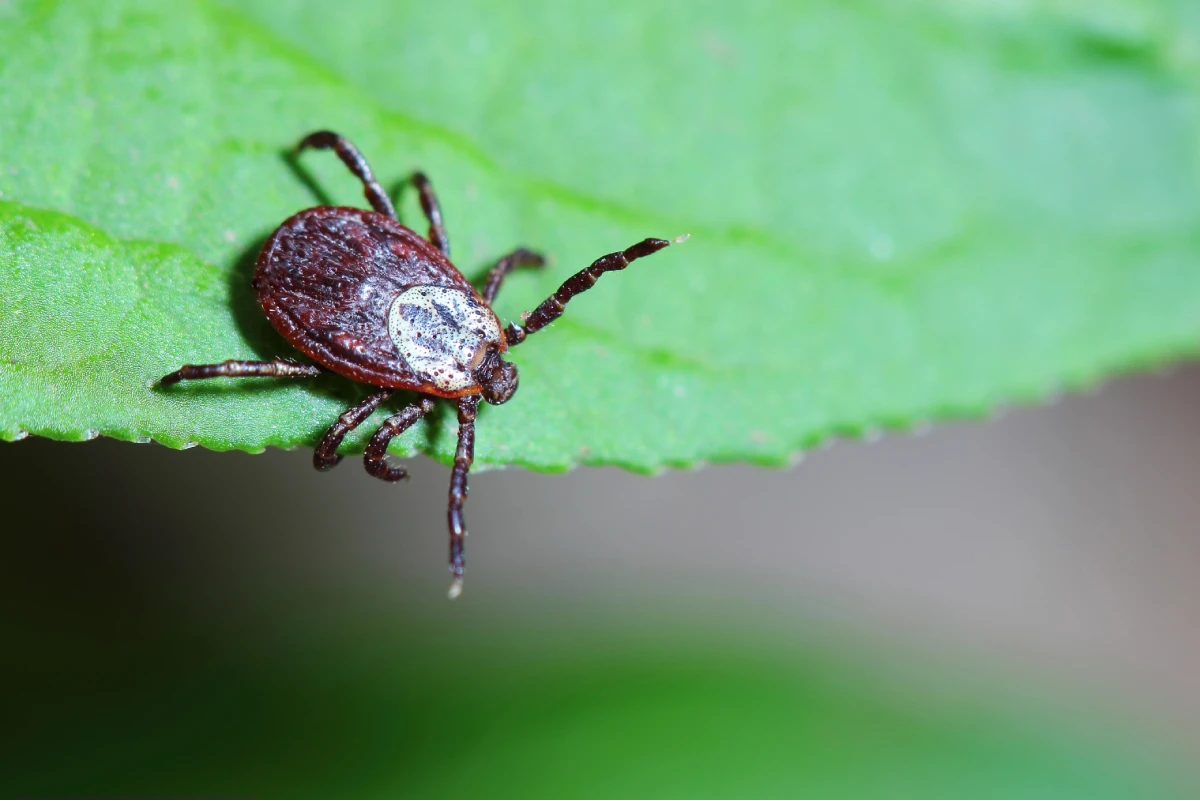
Ticks are not insects; they are arachnids, closely related to spiders and mites. They lack wings and antennae, instead possessing eight legs (as adults) and a specialized feeding apparatus designed to pierce skin and extract blood.

  • Size: Most species are no larger than a poppy seed in their unfed state, but can swell to the size of a marble after a “blood meal.”
  • Behavior: Ticks don’t jump or fly. Instead, they practice “questing”, perching on the tips of tall grass or shrubs with their front legs extended, waiting for a host to brush past.
  • Common Species: In our region, the Black-legged Tick (Deer Tick) and the American Dog Tick are the most frequently encountered.

The Danger: Why Tick Control Matters

Unlike silverfish, which damage inanimate objects, ticks are vectors for zoonotic diseases. When a tick bites, it can transfer pathogens directly into the bloodstream.

  • Lyme Disease: Transmitted primarily by the Black-legged Tick, this can cause fever, exhaustion, and long-term neurological issues if left untreated.
  • Rocky Mountain Spotted Fever: A serious bacterial infection characterized by a distinct rash and high fever.
  • Anaplasmosis & Babesiosis: Other emerging tick-borne illnesses that can impact both humans and domestic animals.

Signs of Tick Activity on Your Property

Ticks are difficult to spot until they have already latched onto a host. You are most likely to find them during:

Common Indicators:

  • Sightings on Pets: Check your dogs and cats frequently, especially around the ears, neck, and paws, after they have been outdoors.
  • Bites on Family Members: Ticks often migrate to warm, hidden areas of the body, such as the armpits, groin, or scalp.
  • High-Risk Landscapes: If your property borders wooded areas, has tall un-mown grass, or features frequent visits from wildlife (deer, raccoons, or mice), tick activity is highly probable.
Tick

How Ticks Infest Your Space

Ticks are typically brought onto a property by wildlife hosts. A single deer or mouse can drop dozens of ticks into your lawn. Learn more about us!

  • The “Edge Effect”: Ticks congregate in the transition zone between manicured lawns and wooded or brushy areas.
  • Moisture Seekers: They require high humidity to survive and will retreat into leaf litter or thick ground cover to avoid drying out in the sun.

The Life Cycle:

Ticks go through four stages: Egg, Larva, Nymph, and Adult.

  • Nymphs: These are most active in the spring and summer. Because they are the size of a grain of sand, they are responsible for the majority of human infections.
  • Adults: These are most active in the fall and can remain active even in winter if temperatures are above freezing.

How to Get Rid of Ticks

Effective tick control requires a barrier between the wild environment and your living space. Canadian Pest Solutions uses a targeted approach to reduce tick populations at the source.

Our Professional Treatment:

  1. Perimeter Sprays: At Canadian Pest Solutions, we apply residual treatments to the “tick zone”, the area where your lawn meets the woods, creating a chemical barrier that eliminates questing ticks.
  2. Granular Treatments: Used in thick brush or ground cover where liquid sprays might not penetrate effectively.
  3. Habitat Modification: Our experts provide a customized assessment of your property to identify “hot zones” like woodpiles and overgrown vegetation.

Preventing Tick Bites

You can reduce the risk of tick encounters by making your property less “tick-friendly” and practicing personal protection:

  • Create a Buffer: Install a 3-foot wide barrier of wood chips or gravel between your lawn and wooded areas to restrict tick migration.
  • Mow Regularly: Keeping grass short reduces the humidity and shade that ticks need to survive.
  • Wildlife Management: Discourage deer and rodents from entering your yard by using fencing or removing bird feeders that attract mice.
  • The “Tick Check”: Always perform a full-body check on yourself and your children after spending time outdoors.

When to Call the Professionals

If you live near a wooded area or have started finding ticks on your pets, don’t wait for a bite to occur. Tick populations can explode during a humid spring. Canadian Pest Solutions has the tools and expertise to provide a seasonal shield for your home. Protect your family’s health. Contact us today to schedule a tick suppression service.

maple (1)

Client testimonials

What our clients say

Pest We Control

bed bugs

Bed Bugs

boxelder bugs

Box Elder Bugs

carpenter ants

Carpenter Ants

carpenter bees

Carpenter Bees

carpet beetle

Carpet Beetle

centipede

Centipedes

cockroach

Cockroaches

earwigs

Earwigs

cat fleas

Fleas

bald faced hornets

Hornets

japanese beetle

Japanese Beetle

mice

Mice

mosquitos

Mosquitoes

moth

Moths

mud daubers

Mud Daubers

pavement ants

Pavement Ants

pharaoh ants

Pharaoh Ants

roof rats

Rats

silverfish

Silverfish

spiders

Spiders

ticks

Ticks

wasps

Wasps

yellow jackets

Yellow Jackets

Frequently Asked Questions

1. What time of year are ticks most active?

Ticks are most active during the spring, summer, and early fall, especially in warm and humid conditions. However, adult ticks can remain active during winter whenever temperatures stay above freezing.

Ticks prefer outdoor environments with moisture and shade, but they can be carried indoors on pets, clothing, or wildlife. While they do not typically infest homes like other pests, they can survive long enough indoors to bite humans or pets.

Use fine-tipped tweezers to grasp the tick as close to the skin as possible and pull upward slowly without twisting. Clean the bite area thoroughly afterward and monitor for symptoms such as rash, fever, or fatigue.

Yes. Dogs and cats are highly vulnerable to tick bites and can contract illnesses such as Lyme disease or Anaplasmosis. Regular tick checks and veterinarian-approved preventatives are strongly recommended.

Tick treatments are typically most effective when applied seasonally during peak tick activity. Properties near wooded areas or with frequent wildlife activity may benefit from ongoing preventative treatments throughout the warmer months.