

Follow-up monitoring is important after professional bed bug control treatment because it helps determine whether bed bugs remain active and whether additional treatment is needed. It allows licensed exterminators to check previously affected areas, look for newly hatched bed bugs, and assess the results of the initial service.
What Is Follow-Up Monitoring After Bed Bug Treatment?
Follow-up monitoring means checking a property after treatment for signs of remaining bed bug activity. It is different from the initial inspection, which focuses on finding the infestation and identifying where treatment is needed.
Bed bugs hide in narrow spaces, including mattress seams, bed frames, furniture joints, and cracks near sleeping areas. Some may remain difficult to detect immediately after treatment. Depending on the method used, eggs may also survive and hatch later.
Monitoring gives homeowners and licensed exterminators a way to assess what is happening after service. Instead of relying only on whether anyone has seen a bed bug, the inspection looks for physical evidence and compares current findings with the original infestation.
What Does Follow-Up Monitoring Look For?
A follow-up inspection may check for these signs:
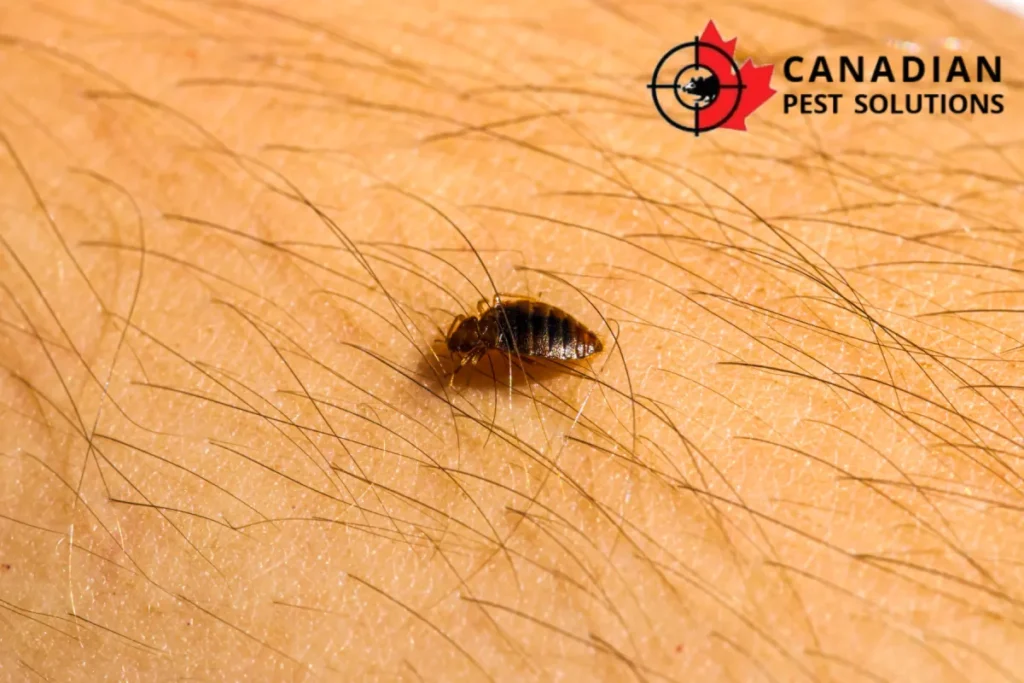
- Live bed bugs: Moving insects around mattresses, bed frames, furniture, and other previously affected areas.
- Bed bug nymphs: Small, immature bed bugs that may have hatched after the initial treatment.
- Fresh fecal spots: New dark marks around mattress seams, furniture joints, and nearby surfaces.
- Shed skins: Discarded outer coverings left behind as bed bugs grow.
- Eggs: Small, pale eggs that may be found in cracks and protected spaces.
- New reports of bites: Information from occupants that may help guide an inspection, although bites alone cannot confirm bed bug activity.
The age of the evidence matters. Old spotting and shed skins may remain after treatment, so licensed exterminators need to consider whether the signs are new or were present before service.
Initial Treatment vs. Follow-Up Monitoring
| Comparison | Initial Treatment | Follow-Up Monitoring |
| Main purpose | Address the identified infestation | Assess treatment progress |
| Main focus | Known bed bug activity and hiding places | Signs of remaining or continued activity |
| Inspection | Identifies affected areas | Rechecks previously affected areas |
| Findings | Help determine the treatment approach | Help determine whether further action is needed |
| Next step | Begin the control process | Continue monitoring or consider additional treatment |
Why Can Bed Bugs Still Appear After Professional Treatment?
Finding a bed bug after treatment can be concerning, but it does not automatically mean the service failed. The result depends on the infestation, the treatment method, the areas reached during service, and whether bed bugs or eggs remain in protected spaces.
Bed Bug Eggs May Hatch After Treatment
Bed bug eggs can be difficult to address because they are small and may be tucked into narrow hiding places. Depending on the treatment method, some eggs may survive the initial service.
When eggs hatch, young bed bugs called nymphs may become visible. Monitoring helps identify this activity so licensed exterminators can decide whether another treatment or inspection is appropriate.
Bed Bugs Can Hide in Hard-to-Reach Areas
Bed bugs do not stay only on mattresses. They may hide in:
- Mattress seams, labels, and folds
- Bed frames and headboards
- Furniture joints and upholstery
- Baseboards and wall cracks
- Gaps around nearby fixtures
- Other protected spaces close to sleeping areas
This is why an inspection should consider more than the mattress. If activity is found in furniture or nearby spaces, those areas may also need attention.
Some Bed Bugs May Survive the Initial Treatment
Treatment results can vary depending on the infestation and the method used. Bed bugs may remain in areas that are difficult to access, or the treatment plan may require another step to address continued activity.
If you find a live bed bug after service, record where you found it and contact your pest control provider. Avoid applying additional products without guidance, as they may interfere with the existing treatment plan.
What Happens During a Professional Bed Bug Follow-Up Inspection?
A follow-up inspection allows licensed exterminators to compare current findings with the original inspection. The exact process and timing depend on the treatment method, the property’s condition, and the company’s Treatment Programs.
Step-by-Step Follow-Up Inspection Process
- Review the original findings. Licensed exterminators check which areas were affected and what treatment was performed.
- Ask about recent activity. Homeowners share new sightings, where they occurred, and when they were noticed.
- Inspect previously affected areas. The inspection may include mattresses, bed frames, furniture, and nearby hiding places.
- Look for new evidence. Licensed exterminators check for live insects, nymphs, fresh spotting, shed skins, and eggs.
- Compare the results. Current findings are considered alongside the original inspection to assess changes in activity.
- Recommend the next step. Depending on the findings, the provider may recommend continued monitoring, additional treatment, or other corrective measures.
What Should Homeowners Prepare Before a Follow-Up Inspection?
Homeowners can make the inspection more useful by keeping track of activity between visits.
- Record new bed bug sightings and where they occurred.
- Note when the activity was noticed.
- Keep treated areas accessible for inspection.
- Avoid moving potentially infested furniture or belongings into other rooms.
- Follow the instructions provided after the initial service.
- Do not apply additional products unless the provider recommends them.
- Share concerns about new activity with the licensed exterminators.
These details help the company understand what has happened since the initial treatment and which areas may need another look.
What Monitoring Methods Help Detect Remaining Bed Bug Activity?
Monitoring methods vary based on the property, infestation, and treatment plan. Visual inspections can reveal physical signs, while certain devices can help detect bed bugs moving around selected areas.
Common Bed Bug Monitoring Methods
| Monitoring Method | What It Checks | How It Helps |
| Visual inspection | Live insects, eggs, spotting, and shed skins | Identifies visible signs of activity |
| Interceptor devices | Bed bugs moving around bed legs | Helps detect crawling insects |
| Bed bug monitors | Activity near selected areas | Provides additional monitoring evidence |
| Mattress and furniture checks | Seams, joints, and hiding places | Helps identify activity near common hiding spots |
How Often Should Bed Bug Activity Be Monitored?
There is no single follow-up schedule for every infestation. The recommended timing depends on the treatment method, the severity of the problem, and the provider’s instructions.
Some Treatment Programs include a specific follow-up visit or monitoring period. Other situations may require homeowners to watch for signs of activity and contact the provider if they notice something unusual.
Follow the schedule recommended by your pest control provider. Do not assume that one inspection is always enough or that you should wait a set number of days before reporting a new sighting.
How Does Follow-Up Monitoring Help Prevent Another Bed Bug Infestation?
Monitoring helps identify whether bed bugs may still be active after treatment. It can also help homeowners recognize a new infestation if bed bugs are introduced into the property again.
For people comparing pest control in Ridgetown, ON, it is useful to ask how a provider checks treatment progress. Find out what signs customers should watch for, whether follow-up visits are included, and what happens if bed bugs are found again.
Benefits of Consistent Monitoring
- Identifies possible remaining activity: New sightings can be reported instead of being overlooked.
- Guides further treatment decisions: Inspection findings help licensed exterminators determine whether more action is needed.
- Checks areas that are easy to miss: Rechecking furniture and nearby spaces can reveal activity outside the mattress.
- Shows changes over time: Comparing findings helps assess whether bed bug activity is decreasing.
- Gives homeowners clear instructions: Customers know what to look for and when to contact the provider.
What Can Homeowners Do Between Visits?
Homeowners can support the monitoring process by checking mattress seams and bed frames, keeping sleeping areas accessible, and recording new sightings. Interceptor devices may also help detect bed bugs moving around bed legs when recommended by the provider.
Be careful when bringing used furniture, luggage, or other belongings into the home. Inspecting these items can help reduce the chance of introducing bed bugs. After traveling, check luggage and clothing before putting everything away.
If you find a live bed bug, avoid moving potentially infested belongings to another room. Record where you found it and contact your pest control provider for guidance.
Applying Our Superior Bed Bug Treatment Approach to Solve This
Canadian Pest Solutions combines more than 20 years of family-owned experience with Superior Bed Bug Treatment, Aprehend Fungus Treatment, and updated methods and technologies. These elements support a treatment approach built around the property’s needs, the location of bed bug activity, and the findings from inspection.
More Than 20 Years of Family-Owned Experience
Bed bug infestations can affect homes, rental properties, and businesses. Each property presents different conditions, including the number of affected rooms, the type of furniture, and the places where bed bugs may be hiding.
With over 20 years of family-owned experience, Canadian Pest Solutions brings long-standing pest control knowledge to the inspection and treatment process. Its licensed exterminators assess the situation before recommending a suitable approach.
This experience also supports a more personal service process. Customers can discuss their concerns, ask preparation questions, and receive instructions about what to expect after treatment.
Superior Bed Bug Treatment
Superior Bed Bug Treatment focuses on addressing the identified infestation rather than treating every property in the same way. The process begins with an assessment of affected areas and the extent of bed bug activity.
Based on the findings, licensed exterminators in Ridgetown recommend an appropriate treatment plan. Customers receive instructions about preparing for service and what to do afterward. Following these directions is important because moving belongings or using unapproved products may interfere with the treatment plan.
Canadian Pest Solutions also offers warranties on bed bug treatments, subject to the applicable service terms. Customers should ask about the specific coverage, conditions, and follow-up process when arranging service.
Aprehend Fungus Treatment
Aprehend is a fungal-based bed bug treatment that uses spores of Beauveria bassiana. When bed bugs come into contact with a properly treated surface, spores can attach to their bodies. The fungus then develops and can cause the affected insects to die.
One feature of this treatment is that bed bugs can carry spores after contacting a treated area. They may transfer spores through contact with other bed bugs, helping the treatment reach insects that did not directly cross the treated surface.
Aprehend does not work as an instant knockdown treatment. Its action takes time, which makes proper monitoring and following the application instructions important. Customers should follow the directions provided by licensed exterminators and avoid disturbing treated areas unless instructed.
The suitability of Aprehend depends on the property and treatment plan. Licensed exterminators can explain whether it is an appropriate option for the infestation.
Latest Methods and Technologies
Bed bug control methods continue to develop. Canadian Pest Solutions uses updated methods and technologies as part of its approach to addressing infestations.
The purpose is to select a treatment based on inspection findings, not rely on one method for every property. Follow-up monitoring then helps assess how the chosen treatment is progressing and whether further attention is needed.
Personalized Treatment Programs and Customer Support
A treatment plan should account for the customer’s property, concerns, and service needs. Canadian Pest Solutions provides tailored Treatment Programs for residential and commercial customers.
The company also offers free service calls if pests return, subject to its applicable service terms. Customers should ask what coverage applies to their bed bug service and what steps to take if they notice new activity.
Debunking the Myth: No Visible Bed Bugs Means the Infestation Is Gone
Not seeing bed bugs after treatment does not automatically confirm that the infestation has been eliminated. Bed bugs can remain hidden in small spaces, and eggs that survive a particular treatment method may hatch later.
Stopping monitoring too early can lead homeowners to overlook signs of continued activity. It is also possible to mistake old spotting or shed skins for new evidence. Suspected bites alone are not enough to confirm that bed bugs remain.
Instead, homeowners should:
- Follow all post-treatment instructions.
- Continue checking the areas identified during the inspection.
- Record new sightings and where they occur.
- Contact the provider if they find a live bed bug or other new evidence.
- Complete the recommended follow-up process.
When comparing pest control in Ridgetown, ask providers to explain their follow-up process and warranty terms before treatment begins. Knowing what happens after the initial service can help you make a more informed decision.
People Also Ask About Follow-Up Bed Bug Monitoring
Is a Follow-Up Inspection Necessary After Bed Bug Treatment?
A follow-up inspection can help determine whether bed bug activity has stopped or if more treatment is needed. The timing and need for another visit depend on the treatment method, infestation, and service program.
How Long Should I Monitor for Bed Bugs After Treatment?
The monitoring period varies based on the infestation and treatment approach. Follow the schedule and instructions provided by your pest control provider, and report new signs of activity promptly.
Is It Normal to See Bed Bugs After Professional Treatment?
Some activity may still be observed after treatment, depending on the method used and the condition of the infestation. Report live sightings to your provider so licensed exterminators can assess whether further action is needed.
Can Bed Bug Eggs Survive Professional Treatment?
Some treatment methods may not eliminate every egg. If eggs survive, newly hatched nymphs may appear later. This is one reason follow-up monitoring is important when assessing treatment progress.
What Should I Do If I Find a Bed Bug After Treatment?
Record where you found it, avoid moving potentially infested belongings, and contact your pest control provider. Do not apply additional products unless the provider recommends them.
Do Bed Bug Interceptors Help After Treatment?
Yes. Interceptors placed under bed legs can help detect bed bugs moving around the bed. They are monitoring tools, however, and do not replace professional inspection or treatment.
Can Bed Bugs Return After a Successful Treatment?
Yes. Bed bugs can be introduced again through luggage, used furniture, clothing, and other belongings. Checking these items and watching for new activity can help identify a new problem early.
Keep Monitoring After Treatment to Protect Your Home
Professional bed bug treatment is an important step, but checking for activity afterward helps determine whether the infestation has been addressed. Follow-up monitoring gives licensed exterminators a chance to assess the results, identify possible remaining activity, and recommend further action when needed.
Canadian Pest Solutions can explain its bed bug treatment options and help you understand what to expect after service. The company’s more than 20 years of family-owned experience, Superior Bed Bug Treatment, Aprehend Fungus Treatment, and personalized Treatment Programs are part of its approach to residential and commercial pest control.
Contact us today for a free consultation or to schedule service. Visit the bed bug control page to learn more, ask about treatment warranties, or discuss the Whole Home Program. The team can help you understand your options and decide on the next step.